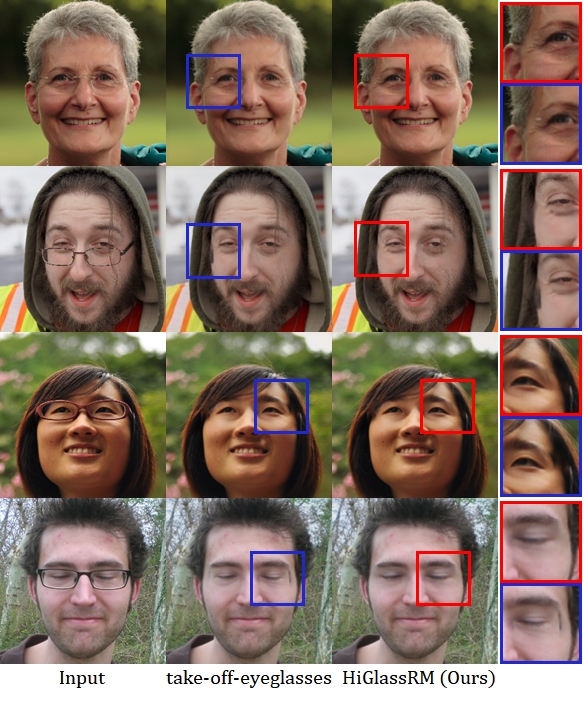
 Our HiGlassRM explicitly compensates this geometric distortion,
 preserving identity-consistent facial geometry and background alignment.
Abstract
Existing eyeglass removal methods can handle frames and shadows but fail to correct lens-induced geometric distortions, as public datasets lack the necessary supervision. To address this, we introduce the HiGlass Dataset, the first large-scale synthetic dataset providing explicit flow-based supervision for refractive warping. We also propose HiGlassRM, a novel pipeline whose core is a network that explicitly estimates a displacement flowmap to de-warp distorted facial geometry. Experiments on both synthetic and real images show that this flowmap-centric approach, trained on our data, significantly improves identity preservation and perceptual quality over existing methods. Our work demonstrates that explicitly modeling and correcting geometric distortion via flowmap estimation, enabled by targeted supervision, is key to faithful eyeglass removal.
Synthetic Dataset Generation
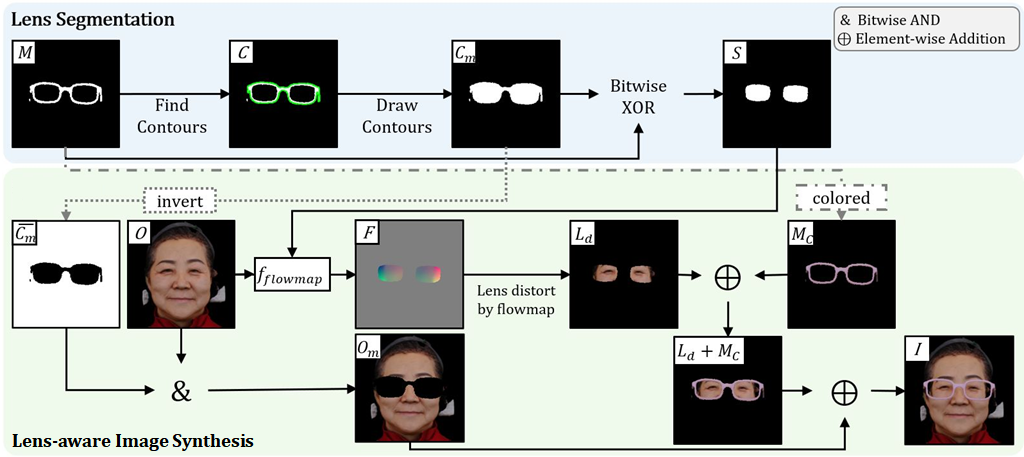 Figure3: Overview of the HiGlass Dataset synthesis.
- 1️⃣Segment lens area from the binary eyeglass-frame mask ($M$)
- 2️⃣Depth-& center-aware flowmap synthesis
- $$F(\mathbf{p}) = (\mathbf{p} - \mathbf{p}_c) \odot R_{\text{depth}}(\mathbf{p}) \odot S(\mathbf{p})$$
- 3️⃣Selective warping ($𝐿_𝑑$)+ background-preserving composition
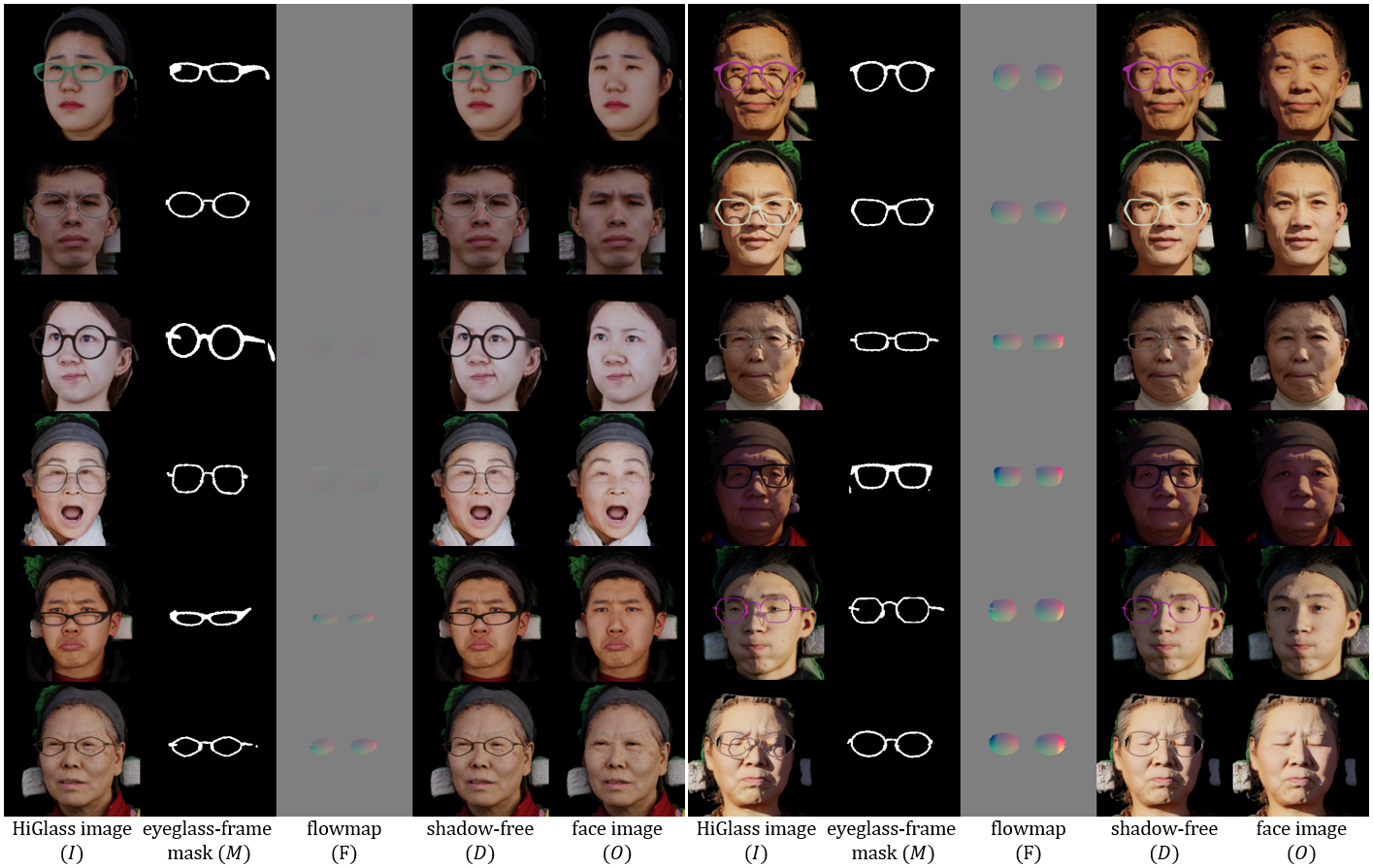 Figure6: Visual examples from HiGlass Dataset.
- The HiGlass Dataset contains 29,071 paired samples, each consisting of five components ($I$, $M$, $F$, $D$, $O$).
HiGlassRM Framework
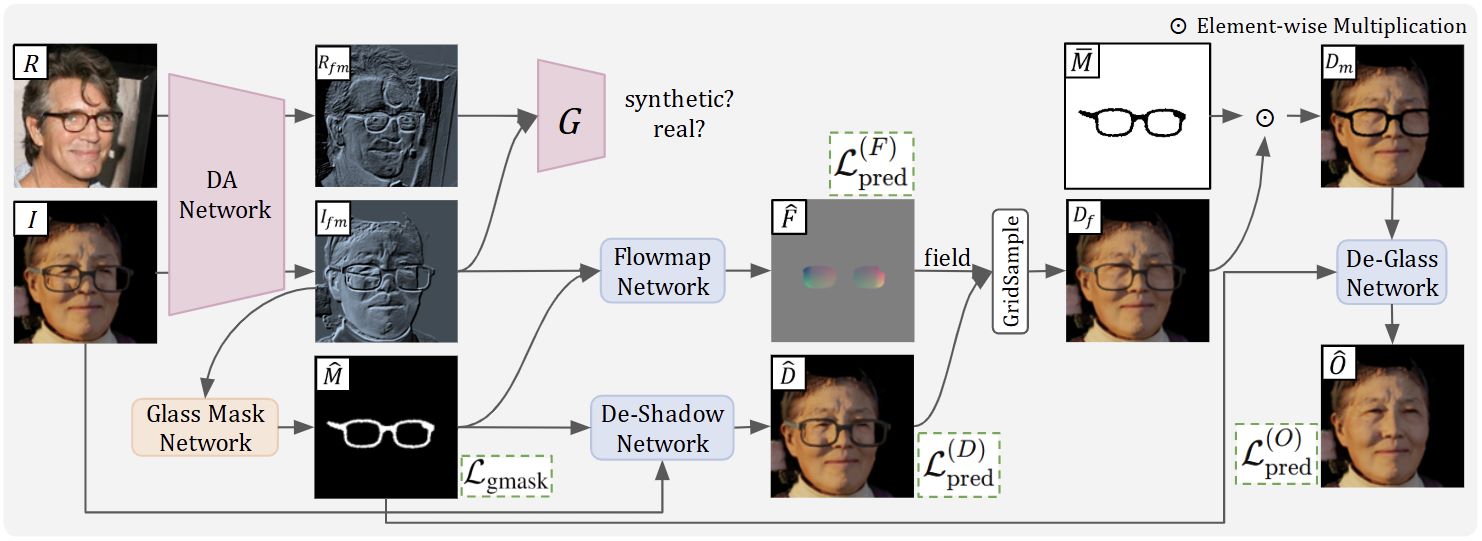 Figure4: Overview of the proposed HiGlassRM.
- HiGlassRM decouples geometric correction from appearance restoration.
- The core component, the Flowmap Network, predicts a two-channel displacement field $\widehat{F}$ to explicitly model lens-induced distortion.
- The predicted flow is applied via grid sampling to restore the warped facial geometry.
- Once geometry is restored, the De-Glass Network synthesizes the final eyeglass-free output.
Experimental Results on Real Data
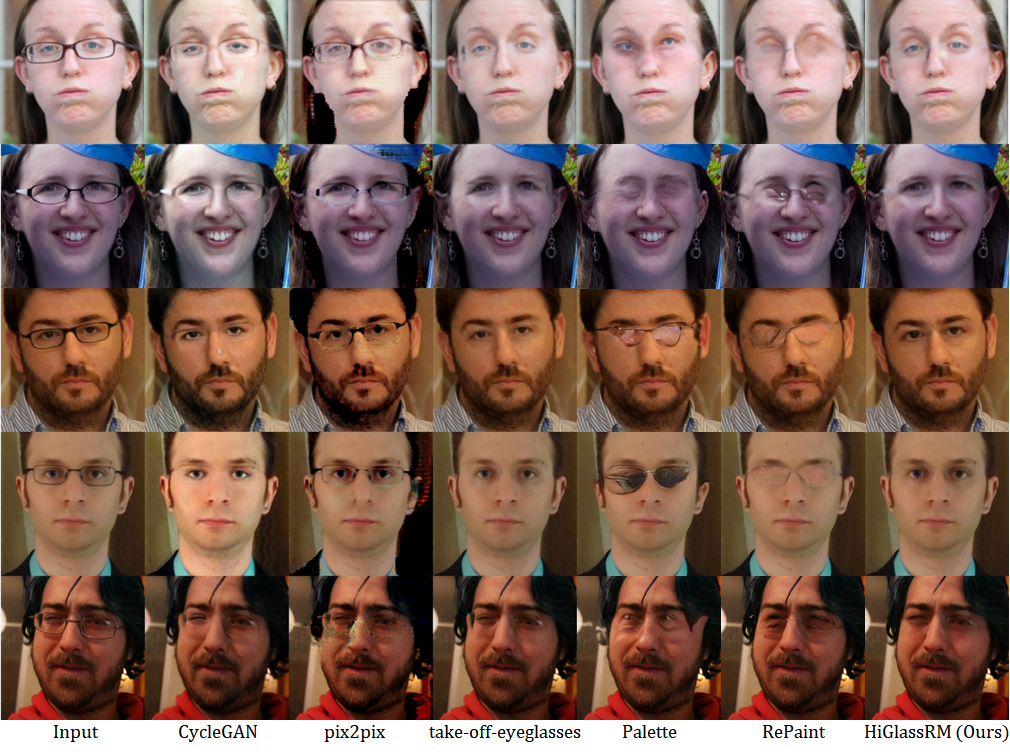 Figure 8. Qualitative comparison on the MeGlass dataset
Experimental Results on HiGlass Dataset
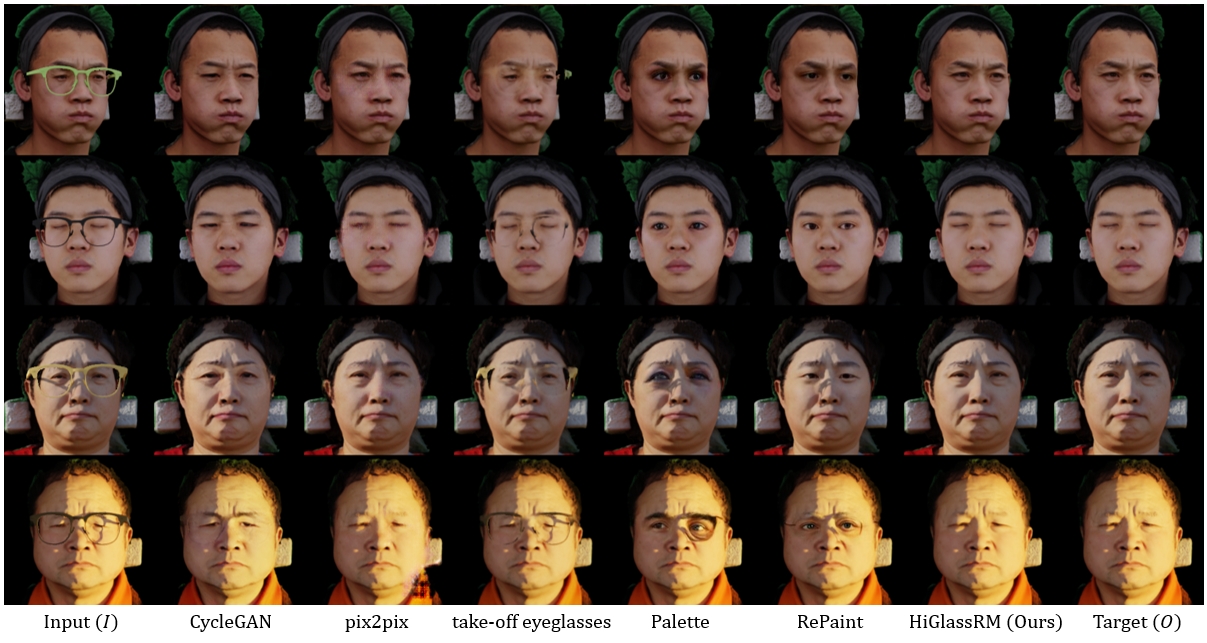 Figure 7. Qualitative comparison of our method (HiGlassRM) against five baseline methods and the Ground Truth on the HiGlass Dataset.
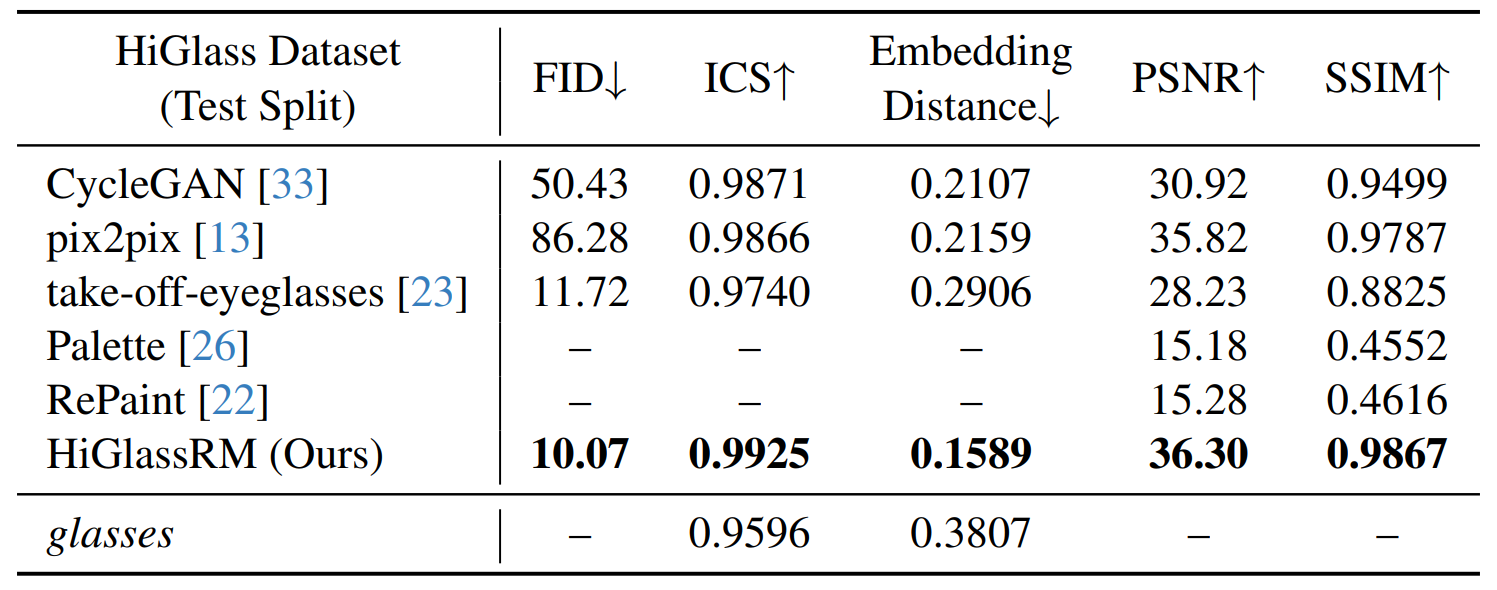 Table 1. Quantitative comparison on the test split of the HiGlass dataset.
Citation
TBD (To be published at WACV 2026)
Acknowledgements
TBD (To be published at WACV 2026)